The Importance of Cultural Literacy in Personalized Tours
Cultural literacy plays a vital role in enhancing the experience of personalized tours. Understanding the nuances of cultural contexts not only enriches a traveler’s experience but also fosters deeper connections with local communities.
Understanding Cultural Literacy
Cultural literacy refers to the ability to understand, appreciate, and participate in a culture, which is essential when exploring new places. According to experts in the field of anthropology, gaining insights into local customs, traditions, and historical contexts can significantly enhance one's travel experience.
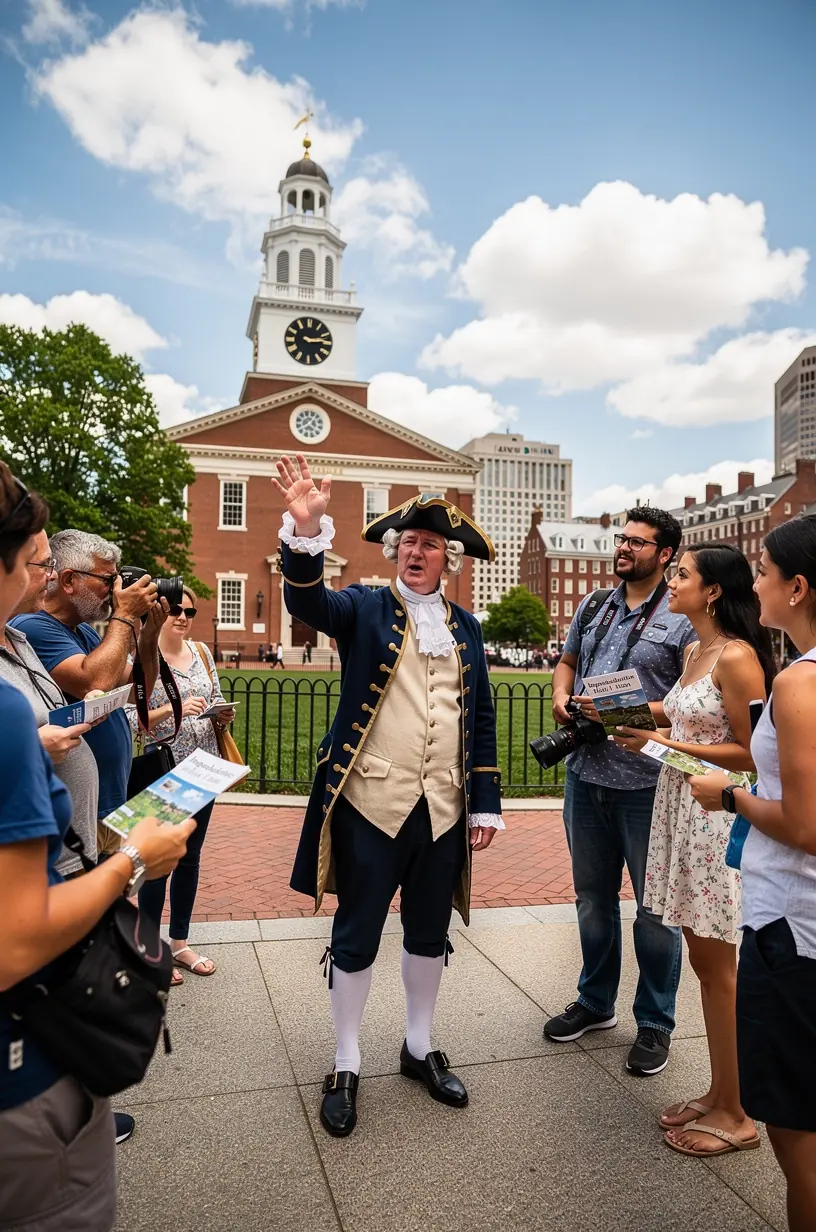
"Cultural literacy allows travelers to engage more meaningfully with their surroundings, leading to a richer and more immersive experience."
Why Cultural Literacy Matters in Personalized Tours
Many users report that personalized tours that incorporate cultural literacy elements provide a more enriching experience. Here’s why:
- Enhanced Engagement: Understanding cultural references can help travelers connect better with local guides and residents. This engagement often leads to more authentic experiences.
- Appreciation of Heritage: Studies show that travelers who are culturally literate are more likely to appreciate the historical significance of landmarks and communities they visit.
- Improved Communication: Knowing basic cultural etiquette can facilitate smoother interactions, making it easier to navigate social norms and behaviors.
Implementing Cultural Literacy in Tours
Incorporating cultural literacy into personalized tours typically involves several strategies:
- Pre-Tour Education: Guides often provide background information about the destination, including historical context and cultural specifics, before the tour begins. This approach prepares travelers for what they will experience.
- Interactive Experiences: Engaging activities, such as cooking classes or traditional craftsmanship workshops, can provide hands-on learning opportunities that deepen understanding.
- Local Insights: Hiring local experts can enhance tours as they share personal stories and insights that enrich the narrative of the places visited.
Acknowledging Limitations
While cultural literacy can greatly enhance the travel experience, it does require some effort and time commitment. Typically, gaining a good understanding of a culture takes research and awareness, potentially involving pre-trip reading or learning basic language skills. This may not be ideal for every traveler, especially those with limited time.
Conclusion
Cultural literacy is a valuable asset in personalized tours, fostering a deeper connection to the places visited and the people who inhabit them. By prioritizing cultural understanding, travelers can enhance their experiences and contribute positively to local communities. As you consider your next trip, remember that investing time in cultural literacy can lead to meaningful adventures that resonate long after the journey ends.
Learn More